
Strength
Build and get stronger
Custom training and nutrition plans, written to order
The Handbook is a workout and meal plan written from scratch around your goal, your week, the equipment you actually have and the food you actually eat. No app. No subscription. A document you keep.
Tell us your goal and how your week looks — that’s enough to begin.







Why this exists
A downloadable template does not know that you train at 6am, that your gym has no cable machine, that you cannot stand salmon, or that Thursdays are a write-off. Yours will.
Three days or six, forty minutes or ninety — the split is written around the time you genuinely have, not the time a template assumes.
Full gym, a garage rack, or a pair of dumbbells and a bench. Every exercise is chosen to work with what you have.
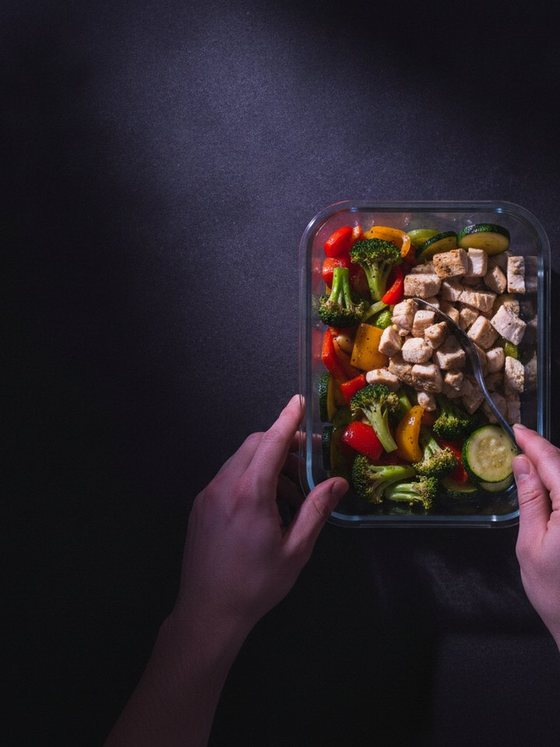
Built from foods you like, with allergies and preferences accounted for, at a calorie and protein target set for your goal.
Something not landing? Schedule changed? Send it back and we adjust. It is meant to be used, not admired.
You are told what to do next week, not just this week — how to add load or reps, and what to do when a session stalls.
Delivered as a clean PDF you can print or take into the gym. No app, no subscription, no login.
Everything in one document
Training and nutrition written to work together, plus the tracking and adjustments that keep it working.
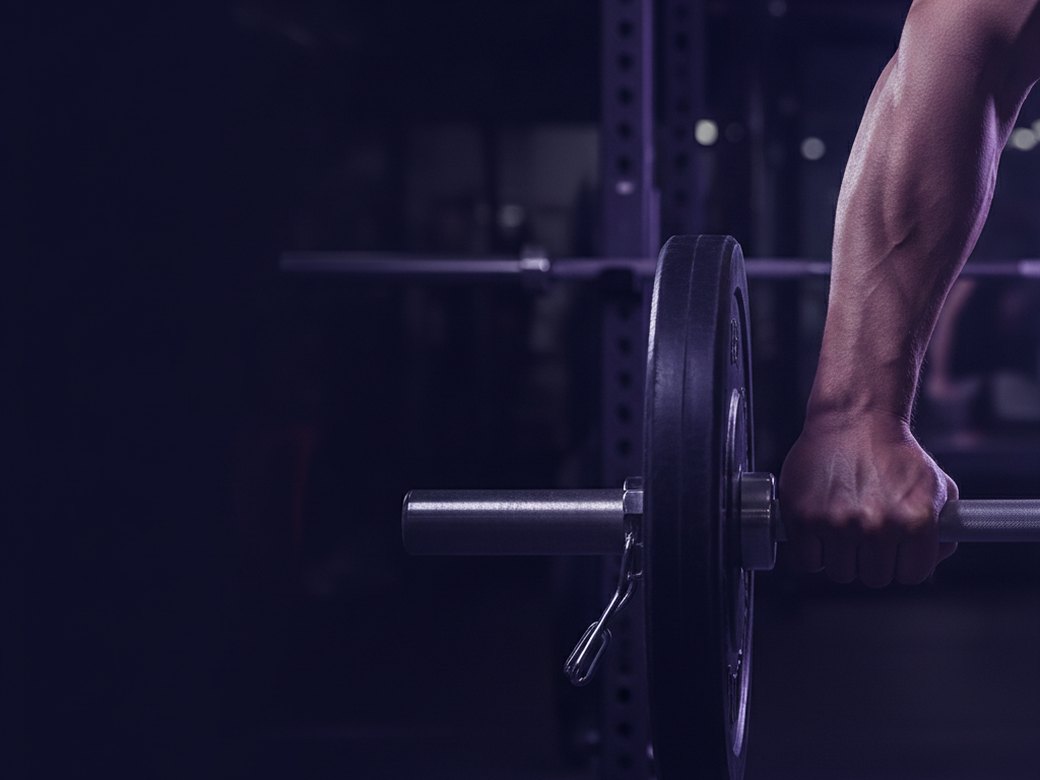
Every session written out in full, built around your days, your time per session and the equipment in front of you.

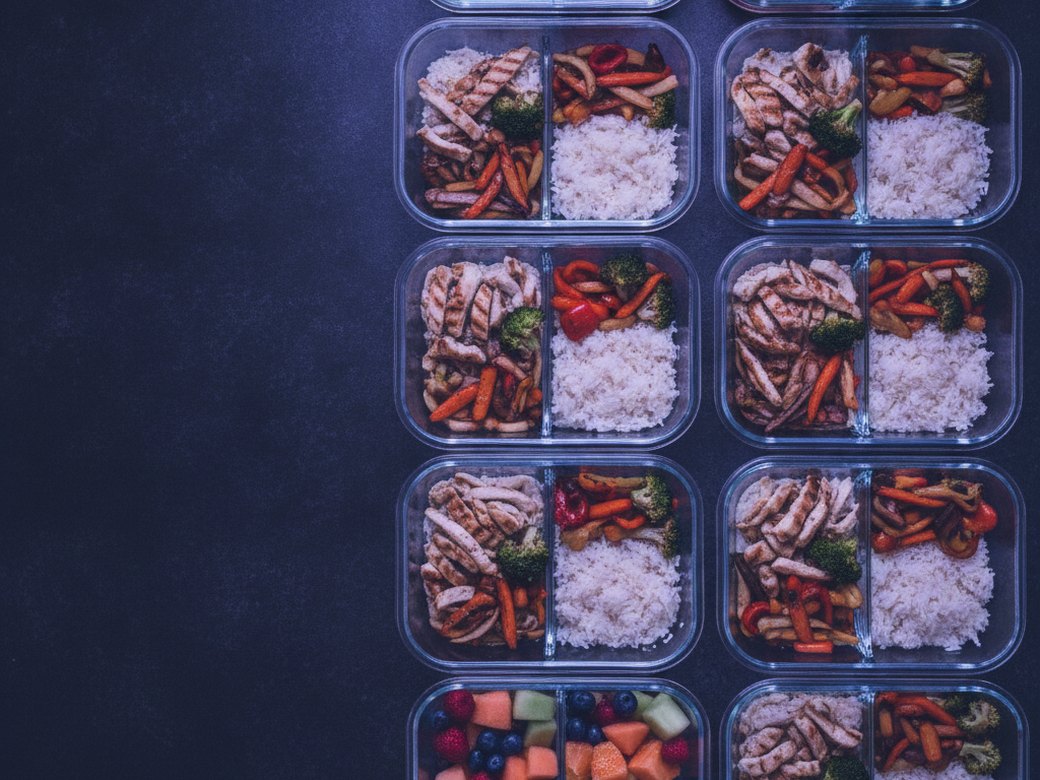
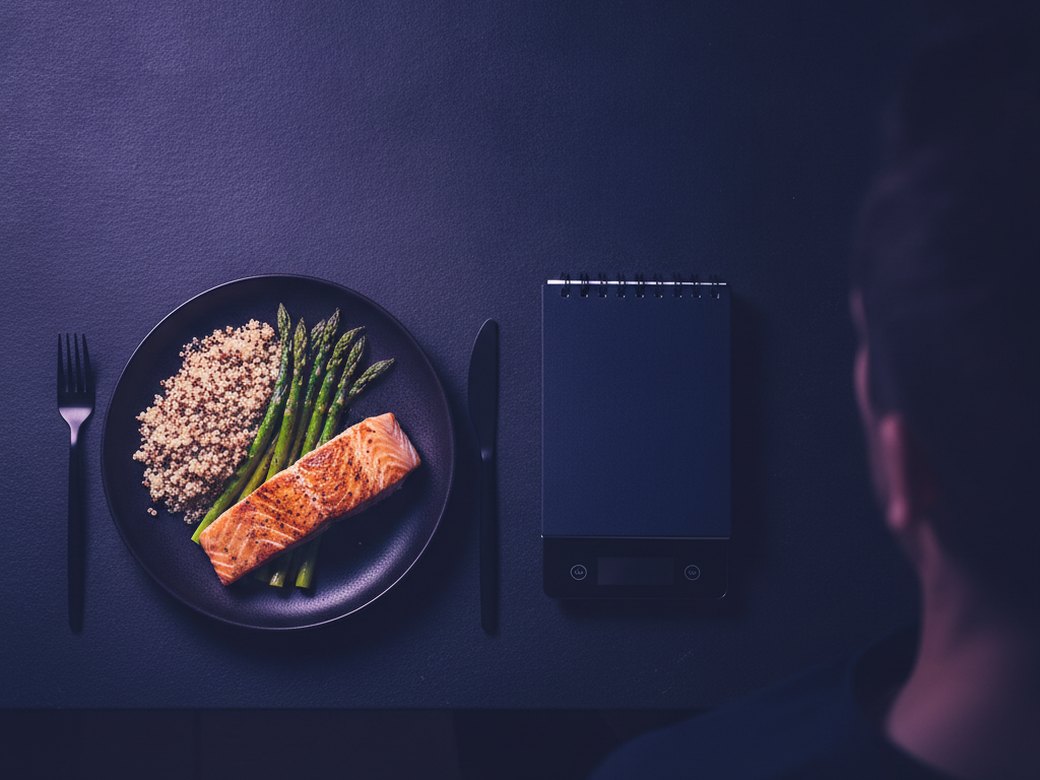
A day-by-day plan built from foods you like, at targets set for your goal, with the shopping and prep worked out for you.
The plan tells you how to move forward week to week, and what to do on the weeks that do not go to plan.
A plan you cannot follow is no use to anyone. Tell us what is not working and we rewrite the parts that need it.

Whatever you are working towards
Two people asking on the same day get different handbooks. Yours is written after we understand your week, your equipment and what you are prepared to eat.
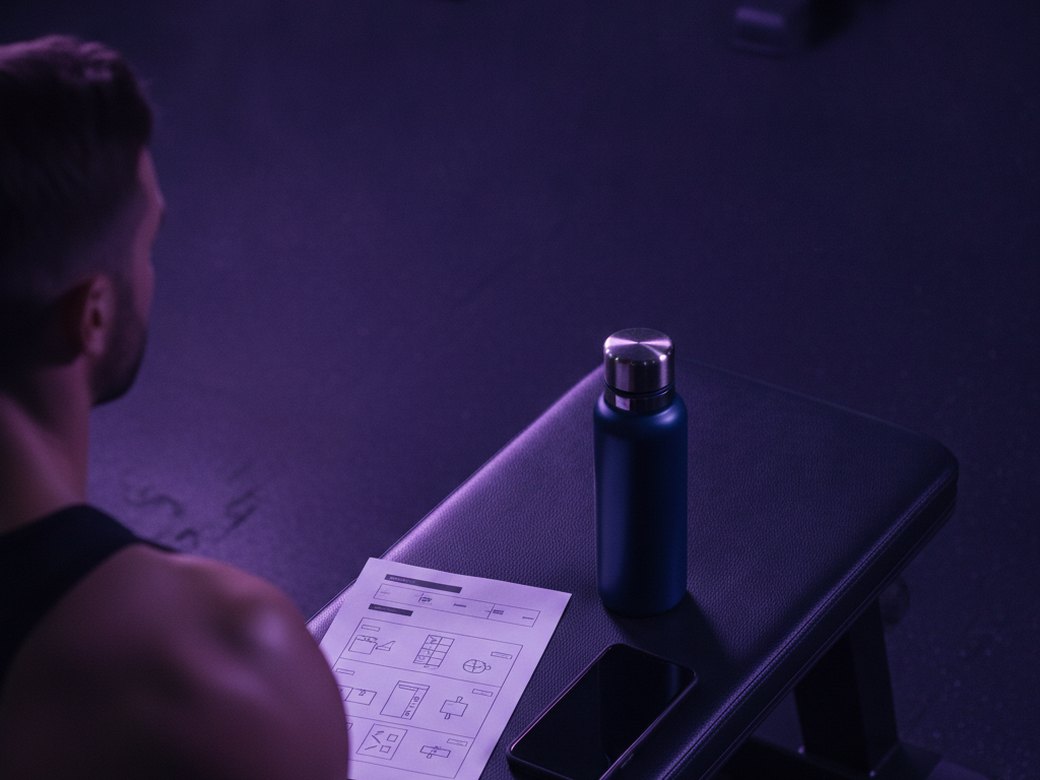
It arrives as a clean PDF. Print it, keep it on your phone, take it into the gym. There is nothing to cancel and nothing to log in to.
How it works
Email us and say roughly what you are after. There is no form to fill in first.
Your goal, training history, schedule, equipment, food preferences and anything we need to work around.
Training and nutrition built from scratch around those answers, then sent over as a PDF.
Read it, try it, tell us what needs changing. Revisions are part of the deal.
Get started
Include your goal, how many days a week you can train and what equipment you have.
Questions
Because every handbook is written from scratch, it depends on what you need. Email hello@neuravive.ca and we will give you a straight answer before anything is committed to.
No. The plan is written around your answers — your schedule, your equipment, your food. Two people asking on the same day would get different handbooks.
Your goal, how many days a week you can train, how long each session can be, what equipment you have access to, and what you do and do not want to eat. We will ask the rest.
Not at all. The plan is written to your experience level, and every exercise comes with notes on how to perform it and what to swap in if something does not suit you.
Tell us and we adjust it. Revisions are included — a plan you cannot follow is not much use to anyone.
No. The Handbook is general fitness and nutrition guidance. It is not medical advice, not a diagnosis, and not a treatment for any condition. If you have a health condition, an injury, or are taking medication, speak to a qualified healthcare professional before changing how you train or eat.
The Handbook provides general fitness and nutrition guidance for healthy adults. It is not medical, dietetic or physiotherapy advice, it is not a diagnosis, and it is not a treatment for any condition. Individual results vary and none are promised. Consult a qualified healthcare professional before starting or changing an exercise or nutrition programme, particularly if you are pregnant, have an existing health condition or injury, or are taking medication. Stop and seek medical attention if you experience pain, dizziness or discomfort while training.